Introduction
Shanling is a large Chinese audio company that has made components and other audio related equipment since it’s founding in 1988. My dad had a Shanling CD player he quite liked and kept for a very long while before letting it go for a better one., He did lament about it after letting it go, which was a memory that stuck with me in my younger years. Therefore the brand is not a stranger to me, as I have known of their existence for quite some time, although I do not have their other products personally. As usual, I do not let this affect the review, as I will review the product as an entity of itself, without bias. This is my first Shanling IEM, although the company has produced others in the IEM industry. This one is their take on the sub-$100 category, priced at $79 USD MSRP, and it is an interesting one. Featuring a triple hybrid driver configuration, with two balanced drivers in coaxial configuration and one balanced armature driver for the treble. We will take a look at what Shanling is offering , which seems to slot into a competitive price point, of which I have a few references I will be using.
Disclaimer
For full disclosure purposes, Shanling has sent me this Sono model for review purposes. Regardless, they have in no way influenced my thought process and have not seen it before release. Everything stated in this review is of my own evaluation of the product. I once again thank Shanling for this opportunity.
Specifications
- Impedance: 16Ω
- Drivers: 2 Dynamic Drivers & 1 Balanced Armature driver
- Sensitivity: 103±3 dB
- Connector: 3.5mm Gold-Plated Plug
- Cable Connector: 0.78mm 2-pin
- Frequency Response: 16 – 40 000Hz
- Cable: 4-core Silver-Plated Copper
- Weight: 8.6g per earphone
- Cable length: 1.3m
Specifications taken from the Official Shanling Website for the product
Setup
For this review, I have paired the Shanling Sono with a few components that are in rotation in my portable/desktop setup. They were powered by the Moondrop Moonriver 2, Audiolab P-DAC, and the Topping DX3 Pro V2. I have used them extensively in varying conditions, at home, at work, and in general, everyday use. I allowed for a break-in period of one week of listening, at least 2 hours everyday, before evaluating final impressions. These were not frequency tested as I do not have the equipment to do so for headphones and IEMs. I used the supplied tips to ensure the product is reviewed as in intended from the manufacturer.
Related Equipment used in testing and reference:
- Moondrop Moonriver 2 (Stand alone and in my Dash 75 keyboard, in both low gain and high gain mode)
- Audiolab P-DAC
- Topping DX3 Pro V2
- Moondrop Aria Snow Edition
- Moondrop Aria 2021
- Moondrop Blessing 2
- Drop (formerly Massdrop) X Sennheiser HD6XX
- Personal PC (including specs):
- CPU: Ryzen 9 7900X
- Cooler: Noctua NH-D15 Chromax Black
- Motherboard: ASUS ROG Strix B650 E-F Wi-Fi 6
- Graphics card: Sapphire AMD Radeon RX6950XT 16Gb GDDR6
- Memory: Corsair Vengeance RGB DDR5 32GB (16GBX2) 5200mHz
- Storage: Samsung 980 Pro 2TB SSD, Seagate Barracuda 2TB 7200RPM HDD
- Power Supply: Seasonic Focus 850W modular
- Work PC playback (undisclosed for work security) Note: should not affect sound as they are independently driven by the portable DAC/AMPs above.
Build Quality and Features
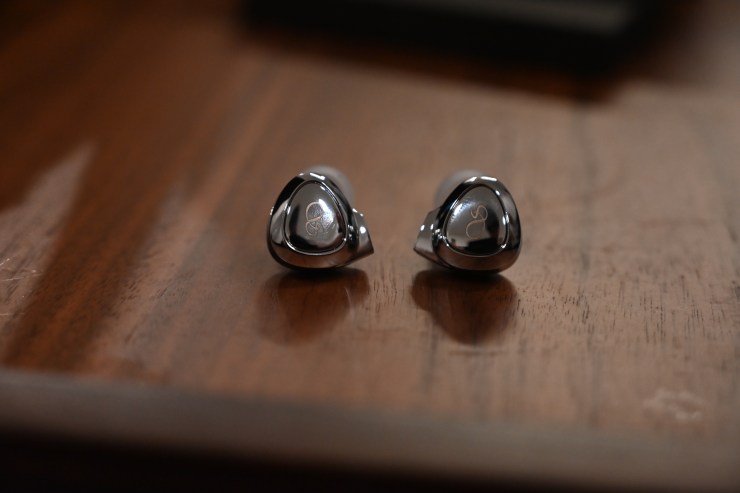
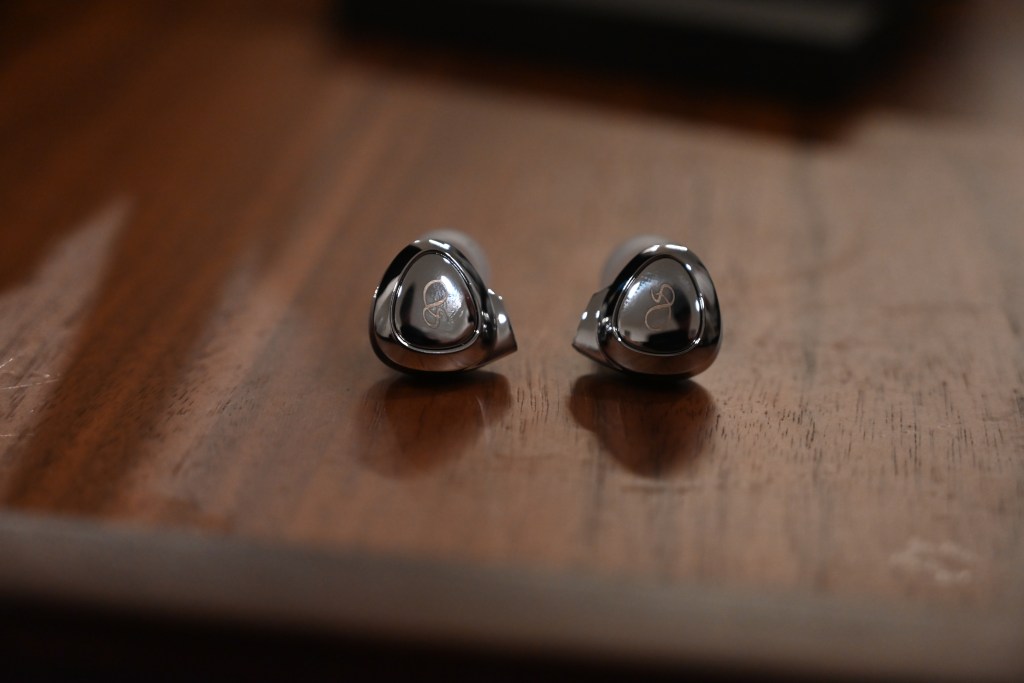
Shanling Sono is a rather shiny product that is quite a fingerprint magnet. The overall build is very solid with interesting features for options to customize your listening experience. It features two interchangeable nozzles: one for a more “flat”, listening experience, and the other for a more bass boosted experience, with slightly boosted bass. The difference between the nozzles are related to their internal foam density and ventilation, as I was told. Either way, the system works with the tips being able to be swapped and replaced.
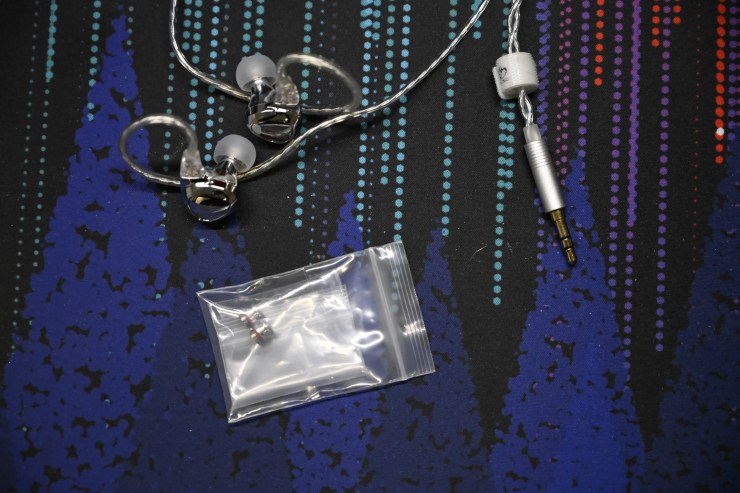
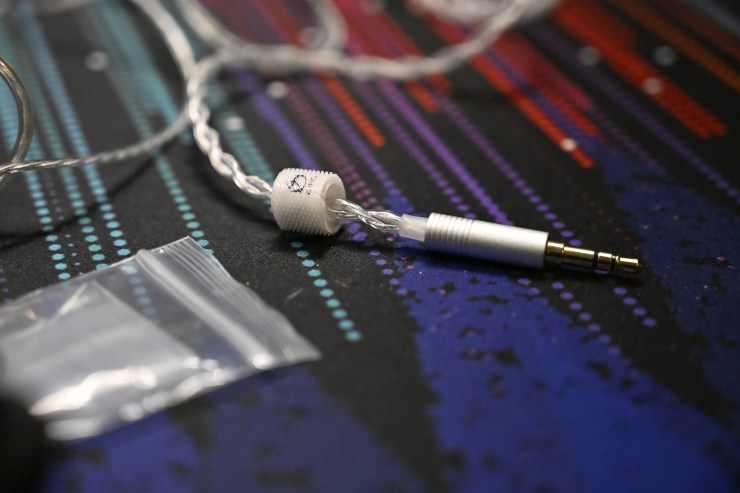
For the nozzles, swapping them is an easy affair. Telling them apart is easy as well with the color coded O-ring (black for standard and red for bass boosted). Personally, I found a little issue with them backing out a little bit between my uses, especially in the office. This, however, does affect the sound, but you have to make sure they are back on and tight, so they are at the ideal sound signature. It’s quite noticeable, but not a big deal, just something I need to check every once in a while so they are achieving the desired signature the nozzles are producing. Other than the small issue, I must address that this is a rather unique offering in the category, setting the Sonos apart from other competitors at this price range. It is a very nice touch to allow the end-user more of a choice at this price point to dictate their listening experience. For first time users, this feature allows them to compare how a flatter signature compares to a more boosted bass shape experience. I think this is a good combination as these are what I believe to be rather common preferences in the IEM world. Kudos to Sonos for this offering on the tips. (More on the sound evaluation in the next section)
The shape of the enclosure itself has a pretty small footprint on the ear, not sticking too far out, making them not too obvious, unlike a pair I personally have in my IEM collection, the Blessing 2. This makes it nice to listen to in bed lying down actually, and the silicon tips are comfortable enough as the design doesn’t poke into my ear too much to be uncomfortable. The default tips, medium tips, that fit best on me on the IEMs felt a touch too big in the more long-term use of more than 3 hours, and sometimes I feel they stretch my canal a little bigger. However, they are not uncomfortable enough to warrant limited long-term use. They offer two other sizes, and a double stacked looking tip that is for a deeper insertion into the ear canal, although I don’t generally prefer that and didn’t use it for this review extensively. I found they didn’t provide a significant difference in the listening experience. The standard tips are offered in a larger and a smaller one for the many ear types, which is a standard offering on many earphones and IEMs. I would have liked to see more as some competitors may offer more, for a specific and tighter fit for the many sizes out there.

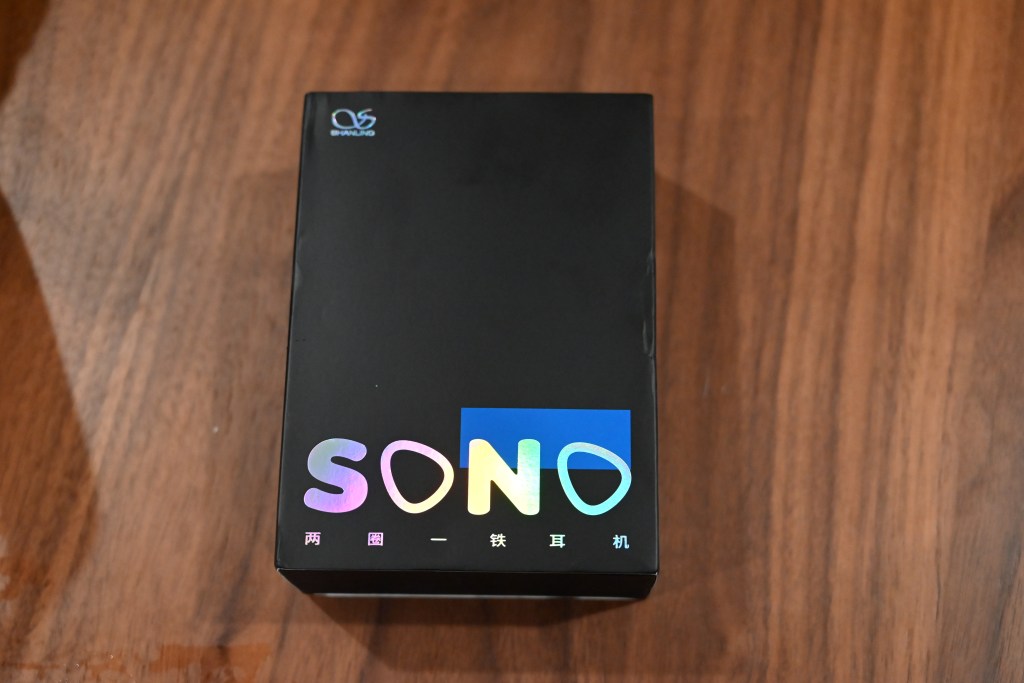
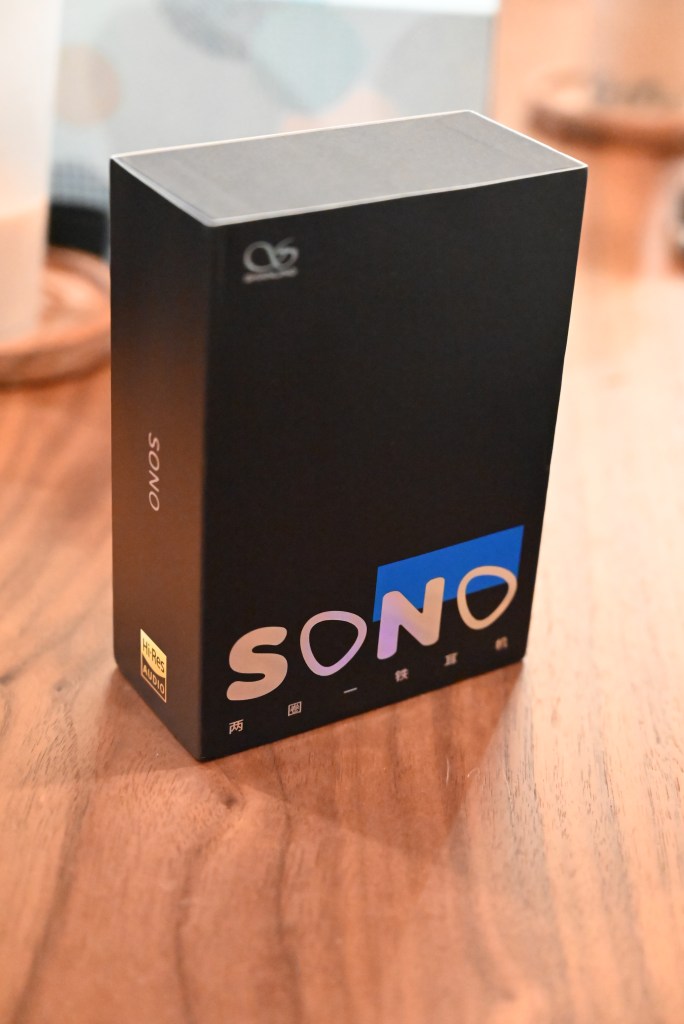
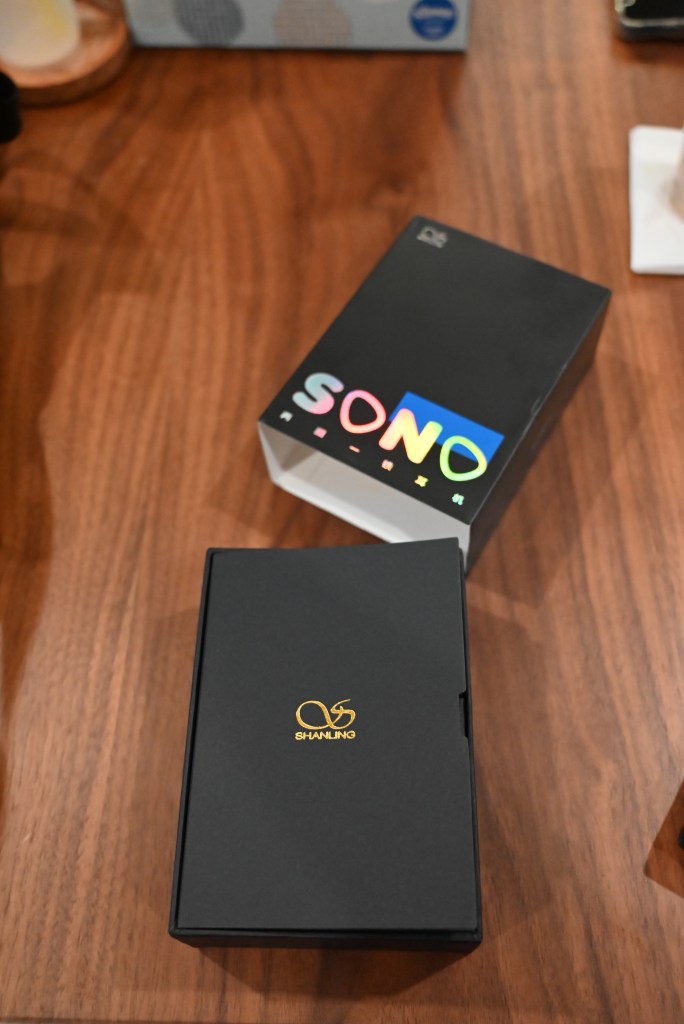
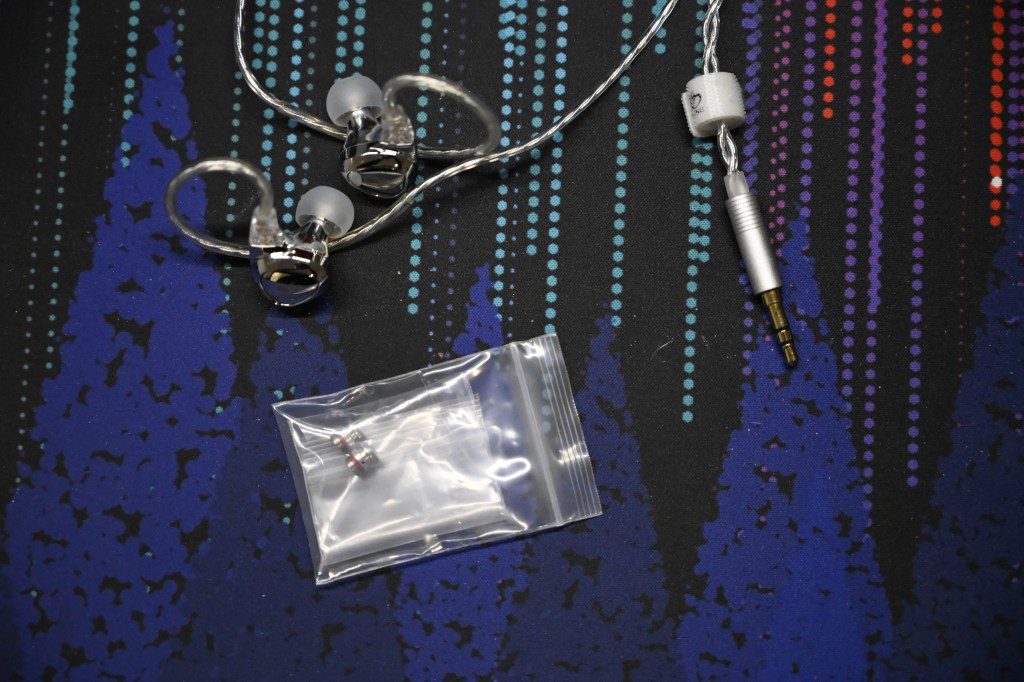
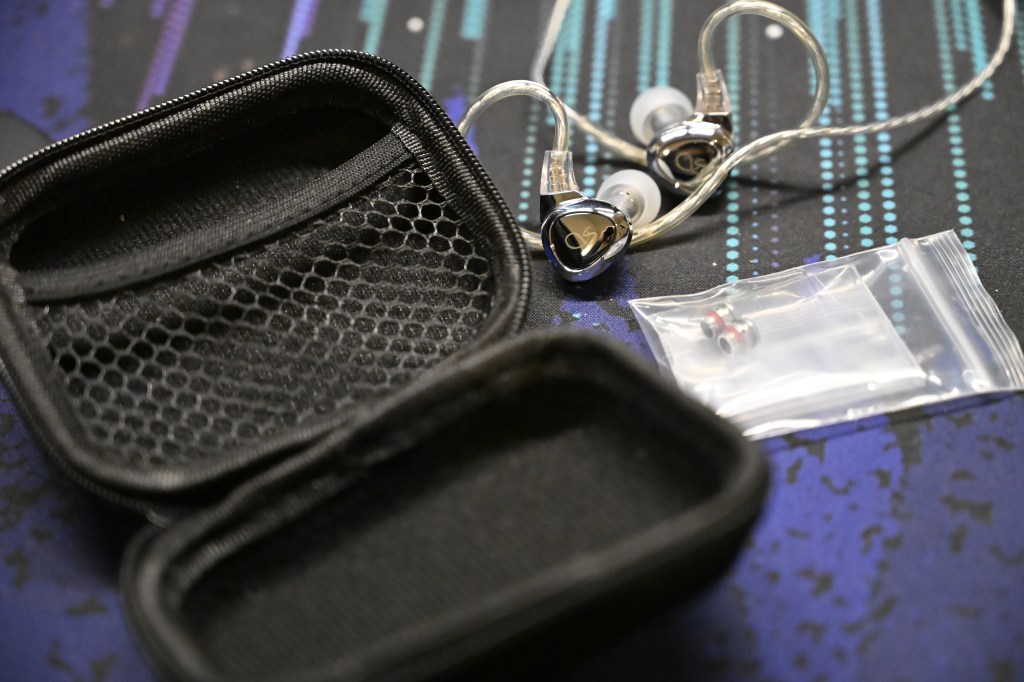
In the box, Shanling provides four ear tips in this card-like restraint; the included silver-plated 4-core copper wires with a 2-pin 0.78mm connector, the extra tips, manual, the IEMs themselves in a nice foam, and a case for carrying the Sonos around. I find the case pretty nice and large, which can fit everything offered in the box comfortably, unlike the Moondrop offerings with cases that can barely fit the product with the cable, much less accessories, the Sonos’ case seems to be a rather standard offering. Included is a relatively big case enough to fit the IEMs and case. It’s larger than a truly wireless case such as the airpods’ charging case for example, but it’s no bulky that it will affecting it’s transportation in a duffel bag, backpack or standard carrying case.
The actual enclosure of the IEMs is of a Zinc Alloy, with a very shiny fingerprint-magnet finish. They are not easy to keep clean, although it generally looks shiny and clean from further away. They are nice, but for the exposure to AC, this construction does get cold for me when I set it down for a while to get up. Something I have to be weary of sometimes actually as it gets slightly unpleasantly cold. The detachable cable design is also great as it is in a standard format of 0.78mm 2 pins. These are commonly offered from other cable makers and allows you to customizer the cable. It is of high quality, and the silver plating seems to do well with treble and general performance, which I will evaluate in the next section.
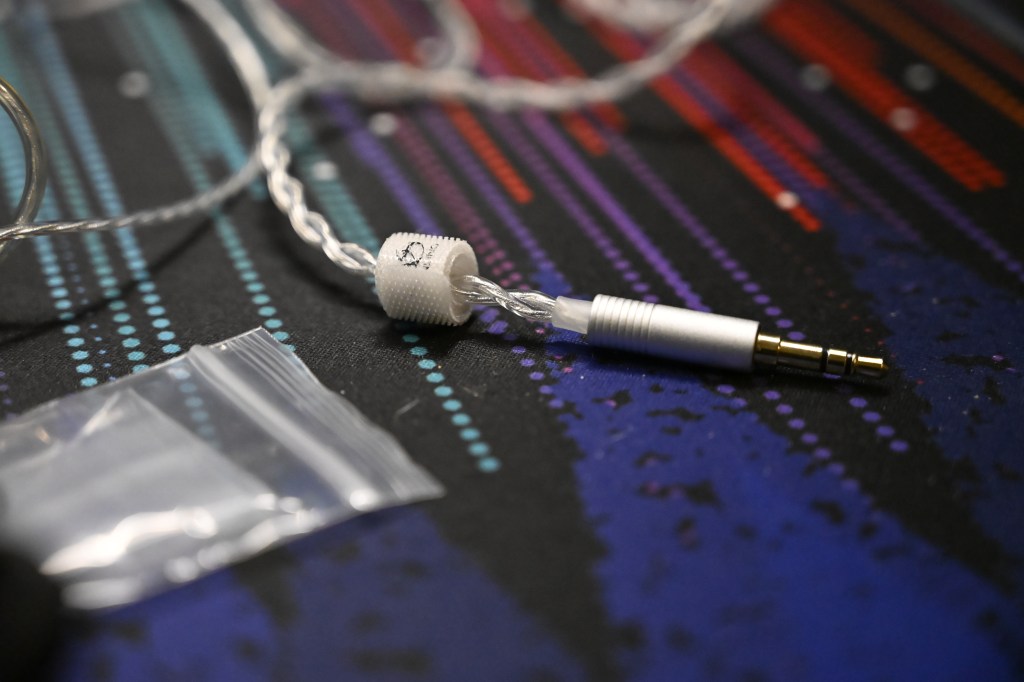
Just from the offering though, although great that the choice is there for a cable upgrade, I don’t feel the need to as the standard cable offering is very good with metal connectors at the Y point and the gold-plated 3.5mm Jack. The cable internals being silver coated presents high value, as normally upgrade cable options are the silver coated. In this instance, Shanling’s offer already presents what seems to be the upgrade cable option out of the box.
Shanling presents a very unique offering with the Sonos, with the different tips. It would be nice to have them stay in place all the time, from an overall perspective, although it may not seem important, Shanling seems to offer high-value choices in the Sonos and presents this as an offering I consider high value from the build quality for something in the sub-$100 price point. But does this back up its sonic performance as well? Let’s find out.
Sound Impressions
Shanling presents already an interesting take on the three hybrid driver configuration, typically consisting of two Balanced Armatures and one Dynamic driver. In this case, it is of a two Dynamic and one Balanced Armature driver. A remarkably interesting combination. Even more so that the Drivers are in coaxial configuration in two different driver materials as well. This translates to the sound characteristics that seem to suggest the Sonos should be offered at more than the price tag it’s at right now.
I found the Shanling compares most closely in character and performance to my Moondrop Blessing 2 and will mainly refer to the Blessing 2 for my comparison here. This is a rather unfair, but surprising fight as the Moondrop costs a lot more than the Sono. This presents quite the value proposition for the Sonos, which I will elaborate more below.
Speaking of both nozzles, I must mention how smooth in general the Sonos is. I would equate the Sonos’ smoothness to offerings from others above three digits. The smoothness the Sonos exhibits is pleasant which can’t be said of other BA driver products I’ve experienced at this price point, and pars that of the reference I use. Keep in mind that reference costs multiple times this product. The soundstage the Sonos presents is impressively spacious, with good clarity and separation. Vocals exhibit this “air” in artists’ vocals normally found in higher priced offerings. Additionally sibilance in vocals is not fatiguing or too much in my test materials.
As for the nozzles, as based on my testing they present different performance when driven differently. For example, I found the red ringed nozzle which claims to boost bass and cut a little treble, best paired with the Audiolab P-Dac which is a more clarity focused product. With the black ringed nozzle, the overall best performance was observed paired with the Moondrop Moonrisver 2 and Topping DX3 Pro which aims to present a balanced response. This response seemed best overall as it delivered the best clarity between the two nozzles as perceived with the less toned down high frequencies, and was the least muddy performance when trialed with the red nozzle. In real world useage I gravitated towards spend a lot of time with the Sonos in the red ringed nozzle configuration on the Audiolab P-Dac as I found it presented a very good compromise and a preferred neutral sound character and good performance overall with slightly boosted bass. The toned down high frequency was nice for more long-term listening which I do at my desk which made it slightly less fatiguing for longer periods of listening.
I do still stand by saying the best performance in my opinion is exhibited with the Moondrop Moonriver 2 and the Topping DX3 pro as the black ringed nozzle produced the best clarity, tighter bass while still delivering very good bass energy. The character of the red ringed nozzle does affect overall clarity, separation, and composure on more intense passages of music such as those you can hear on rock music from the likes of Green Day. One the Moonriver 2 and DX3 pro, I found the red ringed nozzle a little too muddy and too intense that it draws away from the other frequencies being played, which is not my preference. I can imagine an audience that might desire this signature though.
Both nozzles presented significant but appropriate characteristic changes in the Shanling Sonos’ character, delivering the ability to match almost anything you chose to power the Sonos with. Overall, when listening to the Shanling Sonos, with the reference that I have on hand, I can only constantly think about the high value proposition they bring to the table. Two nozzles that can affect performance as advertised, bring more choice to the tables for end users, with their smooth performance. The Shanling Sonos brings the best of both worlds with two Dynamic and one Balanced Armature drivers to cover the whole frequency responses solidly. A high price-to-performance product.
Conclusion
Shanling Sonos makes it 2 for 2 in my records with the brand as they have produced a product that is very solid with a high value proposition. The Shanling Sonos is a unique offering, offering the extra personalization with its nozzle choice for the customer while also punching above its price point in build and sound quality. It is one that I can recommend to shortlist and audition for those looking for an IEM (or two [with its nozzles]) under $100.
Summary
Highlights
- Solid build with metal at all the right places
- 2 Nozzles to customize your listening experience
- Sound and build that seems to punch above its price point
Possible improvements
- More secure nozzle
- Can back out
Overall rating (4.5/5)
- Sound Character: 4.5/5
- Accuracy: 4.5/5
- Comfort: 4/5
- Value: 4.75/5
- Affordability: 4.5/5



 HIFI Sound Enthusiast